Steely Dan was an American rock band formed in Annandale-on-Hudson, New York, in 1971 by Walter Becker (guitars, bass, backing vocals) and Donald Fagen (keyboards, lead vocals). Initially operating as a conventional band, Becker and Fagen ceased live performances by the end of 1974 and continued the project as a studio-based duo, employing a rotating group of session musicians. The band’s music combined elements of rock, jazz, Latin music, rhythm and blues, and blues, characterized by detailed studio production and lyrics often noted for their irony and ambiguity.
Becker and Fagen met in 1967 while studying at Bard College and began writing songs together, later performing in several local groups. After moving to New York City, they attempted to establish themselves as songwriters and worked on the soundtrack to the film "You've Got to Walk It Like You Talk It or You'll Lose That Beat". In 1970, they contributed to "I Mean to Shine" by Linda Hoover. They later joined the touring band of Jay and the Americans before relocating to Los Angeles, where producer Gary Katz hired them as staff songwriters for ABC Records. With Katz and engineer Roger Nichols, they formed Steely Dan, naming the band after a reference in the novel "Naked Lunch".
The band’s debut album, "Can't Buy a Thrill" (1972), achieved commercial success, producing the singles "Do It Again", "Reelin' In the Years", and "Dirty Work". Their second album, "Countdown to Ecstasy" (1973), was less commercially successful but gained recognition over time. Increasingly dissatisfied with touring, Becker and Fagen shifted focus to studio work, leading to a gradual departure of other band members.
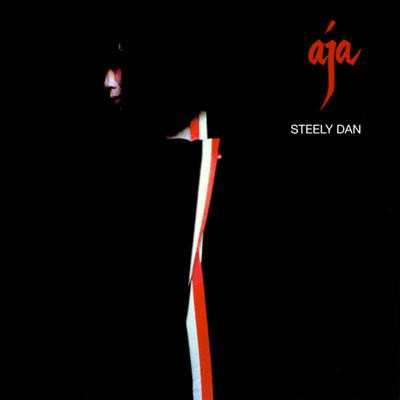
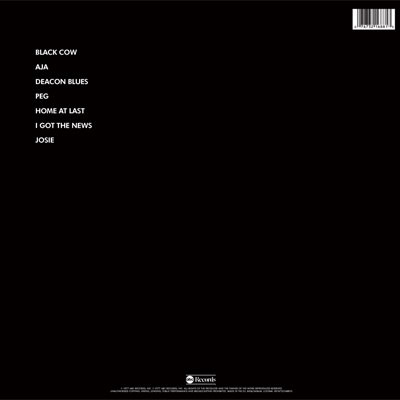
" Pretzel Logic" (1974) featured the successful single "Rikki Don't Lose That Number". Subsequent albums, including "Katy Lied" (1975) and "The Royal Scam" (1976), further established their studio-oriented approach and reliance on session musicians. Their 1977 album "Aja" marked a commercial and critical peak, achieving high chart positions and winning a Grammy Award for engineering. It included the singles "Peg", "Josie", and "Deacon Blues".
Following the success of "Aja", the production of "Gaucho" (1980) was marked by technical, legal, and personal difficulties, including the loss of recordings and disputes with record labels. The album nonetheless achieved commercial success, with singles such as "Hey Nineteen" and "Time Out of Mind". After its release, Steely Dan disbanded in 1981.
During the 1980s, Becker and Fagen pursued separate projects. Fagen released the solo album "The Nightfly" (1982), while Becker worked as a producer and musician. The duo reunited in 1993, resuming touring and releasing the live album "Alive in America" (1995). In 2000, they released "Two Against Nature", their first studio album in two decades, which won multiple Grammy Awards, including Album of the Year. This was followed by "Everything Must Go" (2003).
After 2003, Steely Dan focused primarily on touring. Becker released the solo albums "11 Tracks of Whack" (1994) and "Circus Money" (2008), while Fagen continued his solo career with releases including "Kamakiriad" (1993), "Morph the Cat" (2006), "Sunken Condos" (2012), and others. The band maintained a regular touring schedule with a stable group of supporting musicians.
Walter Becker died in 2017 from complications related to esophageal cancer. Donald Fagen continued performing under the Steely Dan name, honoring existing tour commitments and maintaining the band’s legacy as a live act. Legal disputes regarding the band’s ownership followed Becker’s death.
Steely Dan was inducted into the Rock and Roll Hall of Fame in 2001 and has sold over 40 million records worldwide. The band has been recognized for its influence on popular music, particularly for its fusion of genres and emphasis on studio craftsmanship.
Full Wikipedia article: https://en.wikipedia.org/wiki/Steely_Dan
Studio albums
Can't Buy a Thrill (1972)
Countdown to Ecstasy (1973)
Pretzel Logic (1974)
Katy Lied (1975)
The Royal Scam (1976)
Aja (1977)
Gaucho (1980)
Two Against Nature (2000)
Everything Must Go (2003)
Read more on Last.fm. User-contributed text is available under the Creative Commons By-SA License; additional terms may apply.