Lance Taylor (April 17, 1957 – April 9, 2026), known professionally as Afrika Bambaataa, was an American DJ, rapper, and record producer. He was associated with the development of electro music in the 1980s and played a role in the early evolution of hip hop culture. He is also credited as one of the early practitioners of breakbeat DJing.
Born in the Bronx, New York City, to Jamaican and Barbadian parents, Taylor grew up in the Bronx River Houses. As a youth, he was influenced by his family environment, exposure to political discussions, and his mother’s record collection. He became a member of the Black Spades street gang and rose to a leadership position within one of its divisions. During this period, gangs in the Bronx were involved in both territorial conflicts and community-oriented activities.
After winning an essay contest that led to a trip to Africa, Taylor reported a shift in perspective. Influenced in part by the film "Zulu" and his experiences abroad, he adopted the name Afrika Bambaataa Aasim, referencing a historical Zulu leader. He subsequently moved away from gang activity and founded the Bronx River Organization as a community-oriented alternative.
The timeline of Bambaataa’s early DJ career is subject to differing accounts. Some sources suggest he began organizing parties in the early 1970s, while others place his start later in the decade, after being influenced by DJ Kool Herc. He became active in organizing block parties in the South Bronx and established several hip hop groups, including the Jazzy 5 and the Soulsonic Force.
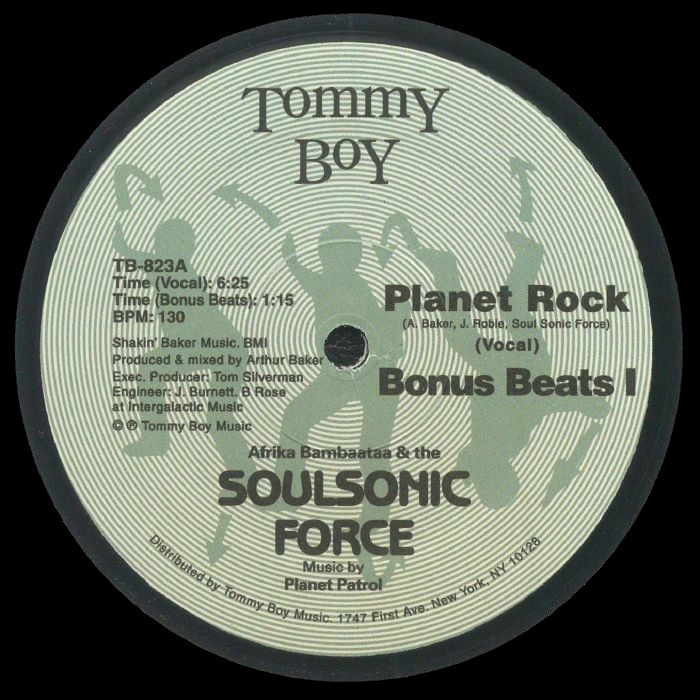
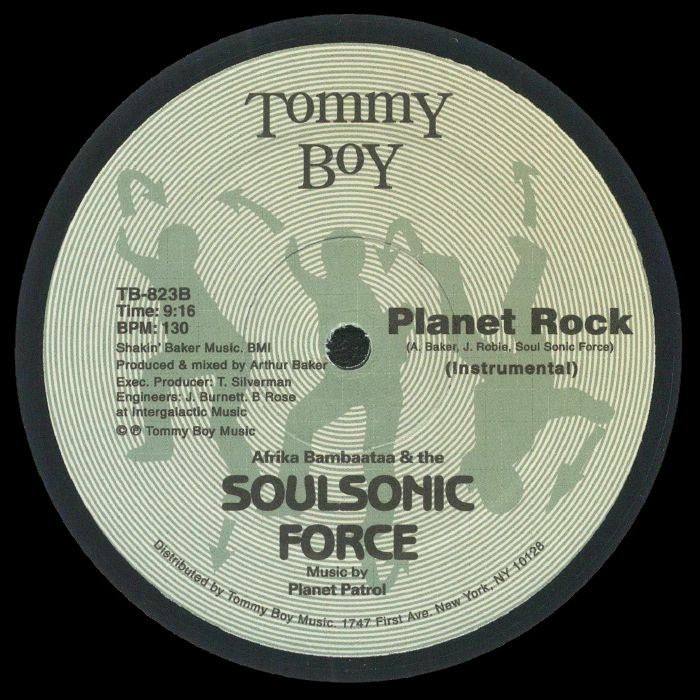
In 1982, Bambaataa released the single "Planet Rock" with the Soulsonic Force, produced by Arthur Baker and John Robie. The track combined elements of hip hop, funk, and electronic music, drawing on influences from groups such as Kraftwerk. It achieved commercial success and contributed to the development of electro-funk as a genre. Other releases from this period included "Looking for the Perfect Beat" and "Renegades of Funk".
Bambaataa also played a role in popularizing the term “hip hop” through interviews and media appearances in the late 1970s and early 1980s. During this period, he participated in early international hip hop tours, which contributed to the global spread of the culture.
In the late 1970s, he founded the Universal Zulu Nation, an organization that brought together DJs, rappers, dancers, and graffiti artists with a focus on promoting hip hop culture and its associated values. The group originated from earlier local organizations and expanded internationally over time.
Throughout the 1980s, Bambaataa collaborated with various artists and producers, including work with Time Zone and Bill Laswell. He recorded the track "World Destruction" with John Lydon in 1984 and appeared in the film "Beat Street" the same year. He also collaborated with James Brown on the track "Unity". In 1985, he participated in the anti-apartheid project "Sun City". His 1988 project "The Light" featured multiple guest artists.
In 1989, Bambaataa contributed to the Stop the Violence Movement and participated in the recording of "Self Destruction", a charity single that supported anti-violence education initiatives. In 1990, he was included in Life magazine’s list of significant Americans of the 20th century.
During the 1990s and 2000s, he continued to produce and collaborate on music, including the remix "Planet Rock '98". In 2000, the group Rage Against the Machine recorded a cover of "Renegades of Funk" for the album "Renegades". That same year, Bambaataa collaborated with Leftfield on "Afrika Shox", which appeared on the album "Rhythm and Stealth" and the soundtrack to "Vanilla Sky". He also worked with WestBam on the album "Dark Matter Moving at the Speed of Light" and contributed to releases by various other artists.
In addition to his music career, Bambaataa served as a judge for the Independent Music Awards and was nominated for induction into the Rock and Roll Hall of Fame in 2008. In 2012, he was appointed as a visiting scholar at Cornell University, where his archival materials were later housed.
In May 2016, Bambaataa stepped down from his leadership role in the Universal Zulu Nation following multiple allegations of child sexual abuse dating back to the 1970s.
Afrika Bambaataa died on April 9, 2026, in Pennsylvania from complications related to cancer at the age of 68.
Full Wikipedia article: https://en.wikipedia.org/wiki/Afrika_Bambaataa
Studio albums
Death Mix (1983)
Sun City (1985)
Planet Rock: The Album (1986)
Beware (The Funk Is Everywhere) (1986)
Death Mix Throwdown (1987)
The Light (1988)
The Decade of Darkness (1991)
Don't Stop... Planet Rock (The Remix EP) (1992)
Jazzin (1996)
Lost Generation (1996)
Warlocks and Witches, Computer Chips, Microchips and You (1996)
Zulu Groove (1997)
Electro Funk Breakdown (1999)
Return to Planet Rock (1999)
Hydraulic Funk (2000)
Theme of the United Nations (2000)
Electro Funk Breakdown (2003)
Looking for the Perfect Beat: 1980–1985 (2003)
Dark Matter Moving at the Speed of Light (2004)
Metal (2005)
Metal Remixes (2005)
Death Mix "2" (2006)
Read more on Last.fm. User-contributed text is available under the Creative Commons By-SA License; additional terms may apply.